

 the Lake Readers Society
What Should Buyers Check Before Ordering from a Smart Lock Factory
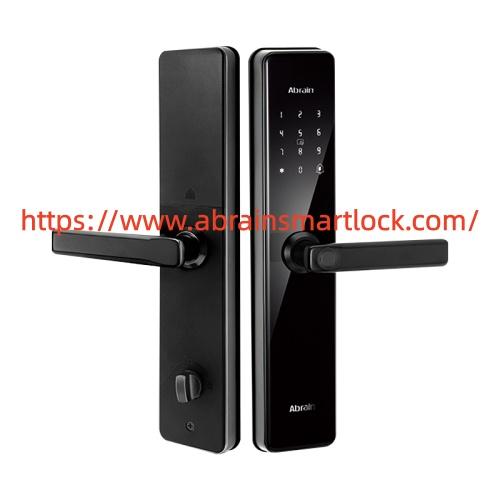
Level Touch Smart Lock selection requires buyers to consider more than appearance and basic access functions. Door compatibility, installation conditions, user preferences, maintenance requirements, and supplier capabilities all influence whether a locking solution fits a particular residential project. For distributors, property developers, and hardware importers, evaluating these factors early can help reduce purchasing uncertainty and support smoother product integration. A clear understanding of the intended application also makes it easier to compare specifications and communicate requirements with manufacturers.
One important consideration is the type of door where the lock will be installed. Door thickness, material, opening direction, and existing hardware can affect installation arrangements. Buyers should confirm these details before requesting quotations or placing orders. If a project involves several property types, it may be useful to prepare a list of door specifications and identify any differences between individual installations. This information helps suppliers assess compatibility and determine whether additional components or installation adjustments may be required.
Access methods deserve careful attention as well. Different users may prefer different ways to enter a property, depending on their daily routines and expectations. Buyers should review the available operating functions, user management options, and backup entry arrangements listed in the product documentation. It is also useful to ask how access permissions can be configured and what procedures apply if a user forgets their credentials or the power supply needs attention. Clear answers help property managers plan daily operations and explain the product to future occupants.
Appearance can influence purchasing decisions, especially in residential developments where door hardware forms part of the overall interior design. Buyers may compare the lock finish, handle arrangement, dimensions, and visual compatibility with existing doors. For renovation projects, matching the hardware to the original door structure can help maintain a consistent appearance without unnecessary modifications. For new developments, coordinating the lock design with other fittings during the planning stage may simplify product selection and purchasing arrangements.
Installation and maintenance should also be included in the evaluation process. Before confirming an order, buyers can request installation instructions, technical drawings, and details about the tools or accessories required. They should clarify whether professional installation is recommended and which maintenance procedures are specified by the manufacturer. These details matter to wholesalers and contractors who need to provide accurate guidance to installers and end users. Accessible documentation can also help reduce misunderstandings during product delivery, installation, and after sales support.
For commercial buyers, supplier evaluation is another essential step. A Smart Lock Factory should be able to explain its manufacturing workflow, inspection procedures, available specifications, and order handling arrangements. Buyers can ask about sample availability, production lead times, packaging requirements, and the process for reporting product issues. If customized branding or packaging is required, it is helpful to confirm the available options and minimum order quantities before moving forward. Written specifications and clear communication can make purchasing arrangements easier to manage across different markets.
Product verification is equally important. Buyers should request applicable technical documents and check whether the stated functions meet the requirements of their intended market. Depending on the project, relevant considerations may include electronic compatibility, environmental conditions, installation standards, and local building requirements. Any claims about security performance, durability, or certification should be supported by appropriate documentation rather than assumptions. A structured comparison based on verifiable details gives procurement teams a practical way to evaluate suppliers without relying solely on product images or promotional descriptions.
After sales arrangements can influence the overall purchasing experience. Distributors and project contractors may need access to replacement components, troubleshooting guidance, user manuals, or technical assistance. Before placing a large order, buyers should ask how product concerns are handled and which support resources are available. It is also worth clarifying warranty terms, their applicable conditions, and the documentation needed when requesting assistance. These discussions help both parties establish realistic expectations and prepare for routine product support after delivery.
A practical purchasing process starts with a clear project brief. Buyers can document door dimensions, intended applications, preferred access functions, appearance requirements, estimated quantities, and delivery schedules before contacting potential suppliers. Comparing quotations against the same checklist makes differences easier to identify and helps prevent important specifications from being overlooked. Requesting samples or technical confirmation where appropriate can further support purchasing decisions, particularly when products will be installed across multiple properties.
For distributors, importers, and residential project teams, working with a supplier that communicates clearly can simplify product selection from initial inquiry to delivery. Abrain provides a starting point for buyers evaluating electronic door hardware and discussing product requirements for different applications. By reviewing specifications, confirming compatibility, and clarifying order details, customers can make purchasing decisions aligned with their project needs. Visit https://www.abrainsmartlock.com/ to review the available product information and contact Abrain about suitable specifications, customization requirements, and supply arrangements.

 English
 Arabic
 French
 Spanish
 Portuguese
 Deutsch
 Turkish
 Italiano
 Russian
 Romaian
 Portuguese (Brazil)
 Greek