

 the Lake Readers Society
Could jtpackage Wrapping Films Fit Your Production Workflow?
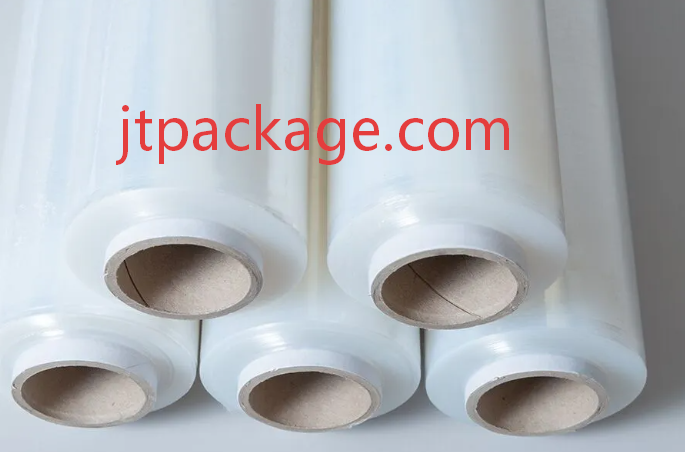
Every package tells a story before a customer even sees the product inside. For businesses reviewing Wrapping Films , jtpackage offers a starting point for considering material options that align with product characteristics, packaging equipment, and presentation goals. Choosing an appropriate film means looking beyond the wrapping process itself and considering how materials support storage, handling, display, and distribution.
Packaging films serve different functions depending on their composition and intended application. Some are selected for heat-shrinking processes, while others are used to wrap products, bundle items, or create an outer layer for handling. Understanding these differences helps purchasing teams identify suitable materials without assuming that one type will meet every packaging requirement.
Product characteristics should guide the selection process. Shape, surface texture, weight, and packaging arrangement can influence how a film performs during application. Products with unusual contours may need special attention during testing, while grouped items require a wrapping method that keeps the package organized. Reviewing these factors early can help businesses narrow their options and establish clear selection criteria.
Material properties also deserve careful consideration. Flexibility can influence how easily a film conforms to a product, while clarity may affect the visibility of packaged contents. Resistance to tearing, sealing behavior, and surface finish can matter during routine handling and storage. The relevance of each characteristic depends on the product and packaging method, so buyers should consult specifications before making a decision.
Compatibility with packaging equipment is another essential part of planning. Film thickness, roll dimensions, sealing methods, and processing conditions must be considered alongside the capabilities of the machinery in use. A material that suits one packaging line may require different settings or handling procedures on another. Testing under representative operating conditions can help businesses evaluate whether a film fits their workflow.
The finished package deserves equal attention. Packaging should be assessed for appearance, seal consistency, product visibility, and ease of handling. A neatly wrapped product can be easier to organize for display or distribution, while a suitable film may help keep grouped items together. Reviewing finished packages allows teams to identify practical adjustments before a material becomes part of regular operations.
Storage and handling practices can influence the condition of packaging materials before use. Businesses should follow supplier recommendations for storage, keep rolls protected from avoidable damage, and provide clear handling instructions for employees. Organized material management can make routine packaging work easier to coordinate and help maintain consistent procedures across the team.
Supplier communication can simplify the purchasing process. Before placing an order, buyers may wish to clarify available material types, film formats, thickness options, roll dimensions, packaging arrangements, and technical documentation. Explaining the intended application and equipment setup helps focus the discussion on relevant specifications. When special requirements apply, these should be raised early so availability and suitability can be reviewed.
Different businesses also have different priorities. Retail operations may focus on product visibility and shelf presentation, whereas manufacturers may concentrate on processing compatibility and package consistency. Warehousing and distribution teams may pay greater attention to bundling, handling, and storage. Identifying these priorities helps businesses compare materials in a way that reflects their own working environment.
A considered packaging strategy involves reviewing both the material and the process in which it will be used. Product requirements, equipment compatibility, handling practices, and finished appearance should all contribute to the decision. By keeping these factors in view, businesses can develop a more organized approach to packaging material selection.What could a small change in your wrapping material mean for your daily workflow? Visit https://www.jtpackage.com/product/ to review available product information, compare options relevant to your application, and prepare for your next packaging project. Let your next sourcing decision begin with a closer look at the materials that bring your packaging plans together.

 English
 Arabic
 Spanish
 Portuguese
 Deutsch
 Turkish
 Dutch
 Italiano
 Russian
 Romaian
 Portuguese (Brazil)
 Greek