

 the Lake Readers Society
Could jtpackage Help You Rethink Your POF Shrink Film Choices?
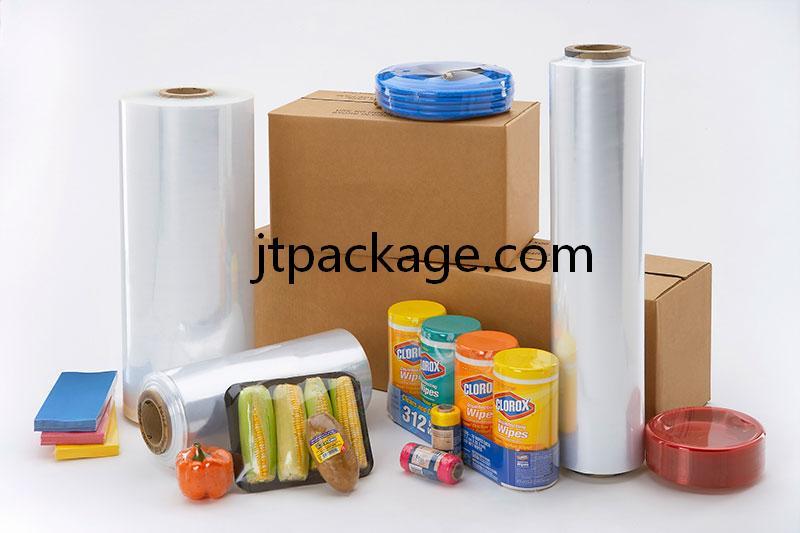
Packaging influences how products are protected, presented, and prepared for distribution. Businesses looking for adaptable packaging materials often consider POF Shrink Film from jtpackage when reviewing options for different product categories. From consumer goods to retail bundles, shrink film can support a neat package appearance while helping businesses organize products for storage, handling, and display. Choosing an appropriate material involves understanding product requirements, packaging equipment, and the presentation goals of each application.
A well-planned packaging process begins with the product itself. Different items have different shapes, surface characteristics, and handling requirements. Packaging teams should consider whether the film can accommodate the product's dimensions and contours while creating a suitable finished appearance. Products grouped for retail sale may require a different packaging approach from individual items, making application planning an important part of material selection.
Material flexibility is one characteristic worth examining. Shrink film is designed to respond to heat during packaging, allowing it to conform around products according to the material's properties and processing conditions. The resulting package can help hold items together and create a tidy outer layer. Businesses should review the film's specifications and confirm compatibility with their packaging equipment before introducing it into an existing workflow.
Clarity can also influence packaging decisions. For products displayed on retail shelves, transparent packaging may allow customers to see the contents without opening the package. This can help maintain visibility while giving the product a defined presentation. The appearance of the finished package depends on factors such as film characteristics, sealing quality, heating conditions, and the shape of the packaged item. Careful process adjustment helps businesses work toward consistent packaging results.
Another consideration is the balance between protection and presentation. Packaging needs vary according to the product, distribution method, and storage environment. Businesses should evaluate the intended role of the film rather than assume that one material suits every application. Reviewing product specifications and conducting appropriate packaging trials can help determine whether a particular option meets the practical requirements of a production line.
Operational convenience matters as well. Packaging teams may consider how the film feeds through equipment, responds during sealing, and performs during the shrinking process. Suitable material selection can help simplify routine packaging tasks when the film and machinery are properly matched. Clear instructions, consistent operating procedures, and appropriate equipment settings also contribute to an organized workflow.
For businesses managing multiple product lines, packaging flexibility can support different presentation needs. A single facility may package individual retail items, grouped products, or assorted merchandise requiring distinct wrapping arrangements. Reviewing available film formats and application requirements helps purchasing teams coordinate material selection with production planning. It can also make communication between packaging operators, procurement staff, and product managers more straightforward.
Responsible material selection should include consideration of storage, handling, and disposal. Businesses can review supplier guidance for suitable storage conditions and follow the applicable handling instructions for their chosen material. Packaging teams may also consider local waste management requirements when planning their packaging procedures. Clear internal guidance helps staff handle materials consistently and incorporate practical considerations into daily operations.
Supplier communication is another useful part of the purchasing process. Buyers can ask about film specifications, available formats, equipment compatibility, packaging applications, and ordering arrangements. Providing details about the products being wrapped and the intended packaging process can help clarify which material characteristics deserve attention. This makes it easier to compare options based on actual requirements rather than relying on general descriptions alone.
A considered packaging strategy brings material properties, product needs, equipment capabilities, and presentation goals together. When these elements are reviewed as part of one process, businesses can make more informed decisions about their packaging materials and work toward a package appearance that suits their products and distribution channels.
Give your packaging plans a new perspective. Visit https://www.jtpackage.com/product/ to browse the available packaging solutions and review options for your application. Take a closer look, compare the possibilities, and find a direction that fits the way your products move from production to presentation.

 English
 Arabic
 French
 Spanish
 Portuguese
 Deutsch
 Turkish
 Dutch
 Italiano
 Russian
 Portuguese (Brazil)
 Greek